
Akporh Nwe Omulongno Ufia
Among the Ufia people’s rich culinary traditions in Benue State, one dish stands out for its simplicity, depth of flavour, and cultural symbolism: Akporh Nwe Omulongno, or groundnut and pepper sauce. It represents more than just food; it also reflects identity, heritage, and community life.
Cultural background
The Ufia people, found in parts of Benue State and parts of the country, are known for their strong attachment to tradition, family systems, and agricultural livelihoods. Farming is central to their way of life, and crops such as groundnut (peanut), yam, and pepper are cultivated in abundance.
Akporh Nwe Omulongno naturally evolved from what the land generously provides. It represents:
Self-sufficiency
Simplicity in living
Respect for local ingredients
Communal eating traditions
This dish is often prepared during family gatherings, traditional meetings, festivals, and even ordinary evenings when families gather around to share a meal.
Meaning of the Name
Akporh – Pepper
Nwe – With
Omulongno – Groundnuts (Peanuts)
Literally translated, it means “groundnut with pepper”. However, the preparation transforms these simple ingredients into something deeply satisfying and culturally meaningful.
Ingredients
Though recipes may slightly differ from household to household, the major ingredients remain:
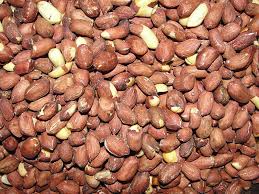
Dry groundnuts (peanuts)
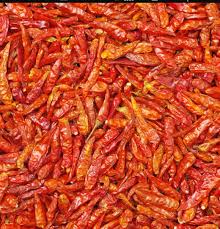
Fresh red pepper (or dried pepper).
Salt
Local spices (optional)
Onions (in some variations)
Warm water
Some modern versions may
include:
Crayfish, locust beans, and some palm oil.
Nonetheless, the traditional form is simple and natural.
Traditional Method of Preparation
1. Roasting the Groundnuts
The groundnuts are roasted over firewood until golden brown. This enhances the nutty aroma and flavour.
2. Peeling
After roasting, the skins are removed by rubbing the nuts between palms.
3. Blending
The peeled groundnuts are ground into a smooth paste using a traditional grinding stone or mortar and pestle. Pepper is then blended separately or together with the groundnut.
4. Mixing
The groundnut paste is mixed with blended pepper, salt, and a little warm water to achieve a thick but smooth consistency.
The result is a rich, creamy, spicy sauce — thick enough to scoop with solid foods.
How It Is Eaten
Akporh Nwe Onmulongno is rarely eaten alone. It is usually paired with:
Kola nuts
Boiled yam
Roasted yam
Boiled cassava
Roasted plantain
Sometimes even eaten with cold leftover pounded yam
The groundnut’s creamy texture balances the sharp heat of the pepper, creating a bold yet comforting taste.
Social and Cultural Significance
1. A Symbol of Hospitality
Offering Akporh Nwe Omulongno to a visitor is a sign of warmth and acceptance.
2. Community Bonding
In traditional settings, food is shared from a common plate, strengthening unity and brotherhood.
3. Food of Humility
Despite its simplicity, it is respected. It teaches contentment — that good food does not need to be complicated.
4. Intergenerational Knowledge
Mothers teach daughters the preparation process, preserving culinary heritage.
Modern Influence
With modernisation, blenders have replaced grinding stones, and packaged peanuts are sometimes used. Yet many elders insist that the authentic smoky flavour comes only from traditional fire-roasting.
Today, Ufia sons and daughters living outside Benue State still prepare Akporh Nwe Onmulongno to reconnect with home. It remains a nostalgic dish that carries memories of village life, moonlight tales, and communal laughter.
Nutritional Value
Groundnuts are rich in:
Protein
Healthy fats
Vitamins (especially Vitamin E)
Magnesium
Combined with pepper, which contains antioxidants, the dish is both nourishing and energising — perfect for farmers after a long day in the field.
The significance of Akporh Nwe Omulongno
Akporh Nwe Omulongno is more than just blended groundnuts and pepper. It is:
History presented on a plate
Agriculture turned into culture.
Simplicity elevated to pride.
This dish continues to represent who the Ufia people of Benue State are — resilient, rooted, and rich in tradition.
credit: Mike Ekwata
About the Author