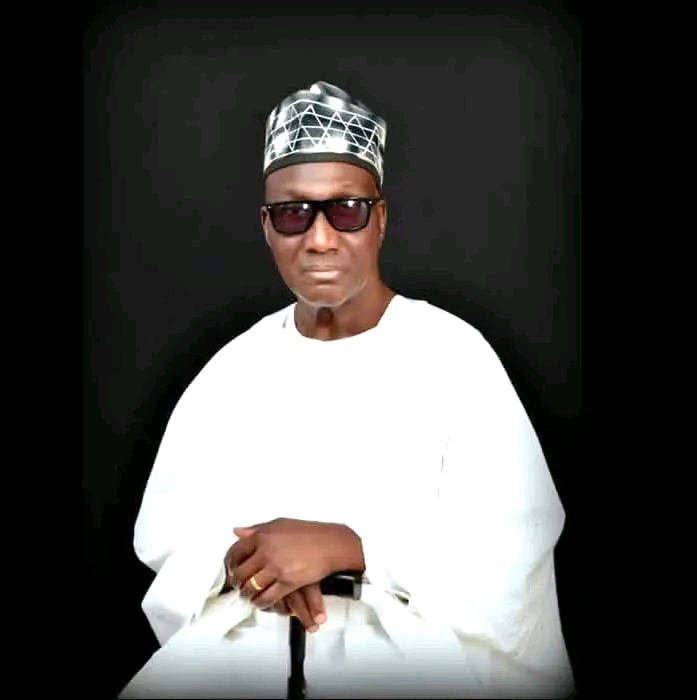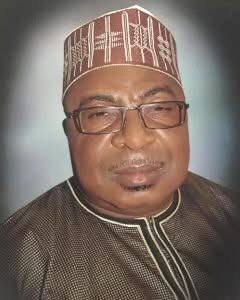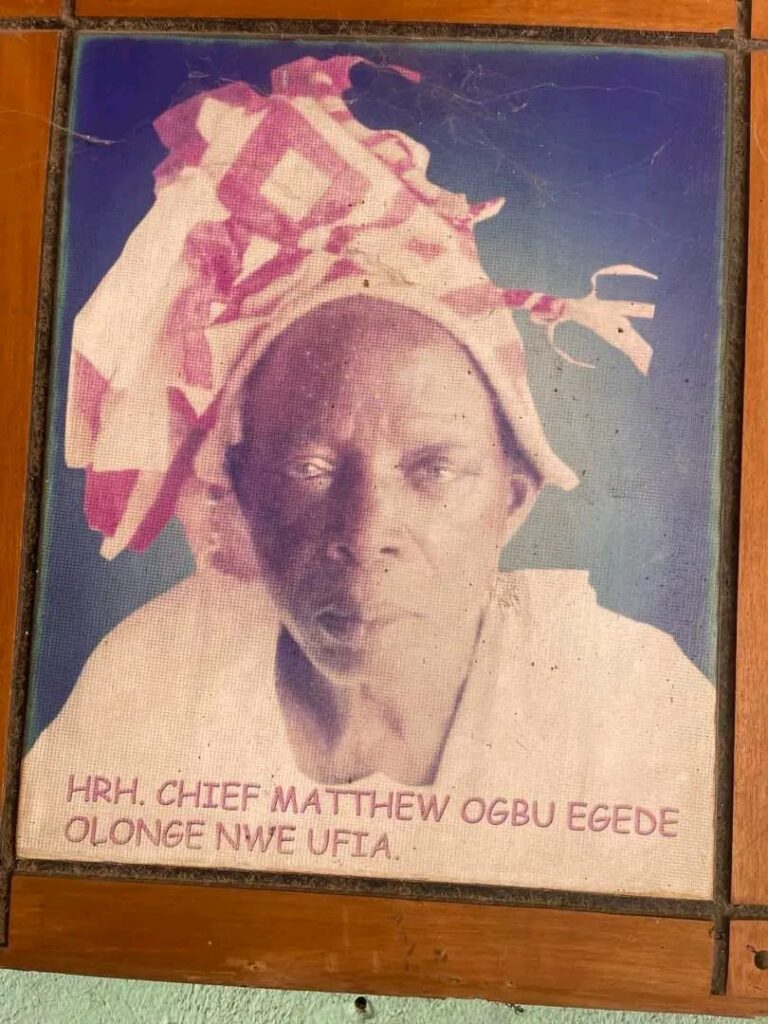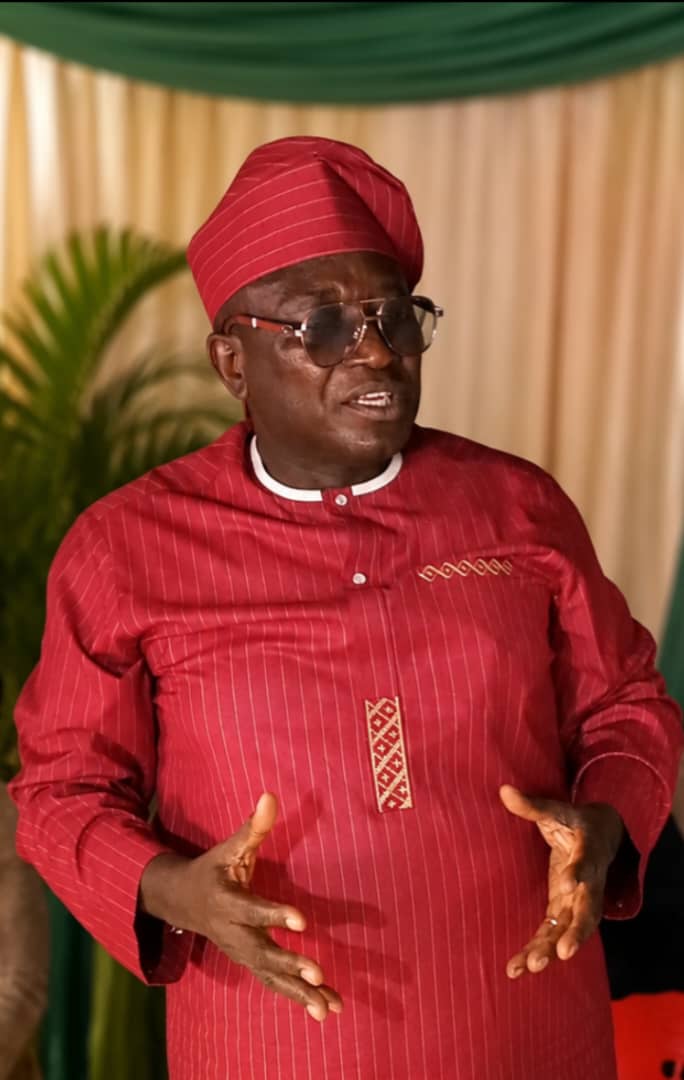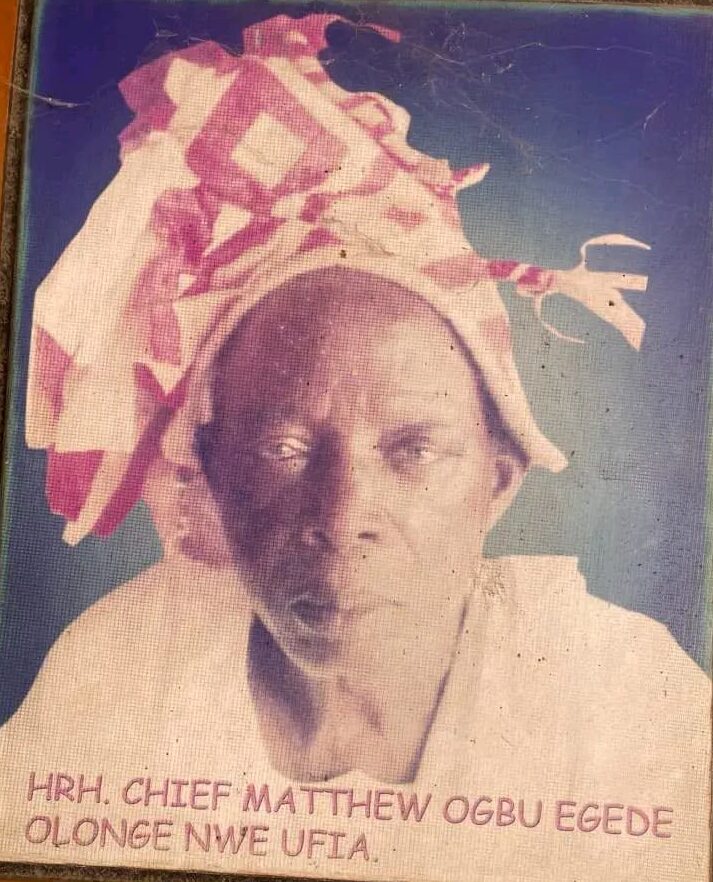
In every traditional society, there are institutions and individuals whose responsibilities extend far beyond occupying positions of authority. They represent the history, identity, values and collective heritage of their people. Among the Ufia people of Utonkon, Ado Local Government Area of Benue State, Nigeria, the institution of the Olong Nwe Ufia stands as the highest traditional leadership authority and an enduring symbol of the Ufia Kingdom.
The Olong Nwe Ufia is not merely a traditional title; it represents a revered royal institution entrusted with the responsibility of providing traditional leadership, upholding customary laws, maintaining peace and order, and resolving disputes and other matters affecting the people and communities of Ufia land.
As the paramount traditional ruler of the Ufia people, the Olong Nwe Ufia occupies a significant position in the traditional governance and cultural life of the kingdom. The institution serves as a custodian of the people’s history, customs, traditions, ancestral values and collective identity.
Beyond its traditional governance responsibilities, the Olong Nwe Ufia plays a vital role in preserving the cultural heritage and unity of the Ufia people. The throne represents continuity between generations, ensuring that the customs, values and traditional practices inherited from the ancestors are protected and passed on to future generations.
Custodian of Ufia Culture and Traditions
One of the important responsibilities of the Olong Nwe Ufia is the preservation and promotion of Ufia cultural traditions, festivals and communal celebrations.
The institution has a significant place in safeguarding the Ufia cultural calendar, particularly the agricultural and traditional celebrations that define the people’s relationship with their land, ancestral heritage and way of life.
An important responsibility is the announcement of dates associated with the Ufia Joha New Yam Festival, one of the most significant cultural celebrations of the Ufia people. This festival represents more than an agricultural celebration; it is an expression of cultural identity, communal unity, gratitude and the preservation of ancestral traditions.
Through its traditional authority, the Olong Nwe Ufia helps sustain the cultural significance of such celebrations and reinforces their place in the collective history of the kingdom.
The Royal Palace: A Centre of Traditional Authority
The traditional palace of the Olong Nwe Ufia, located in Ukwonyo, Utonkon, serves as an important centre of traditional authority, cultural identity and communal heritage.
Beyond being the residence and seat of the traditional ruler, the palace represents the institution’s historical significance and its connection to the people. It stands as a symbol of traditional governance, continuity and the preservation of Ufia customs and values.
A Heritage Worth Preserving
The institution of Olong Nwe Ufia represents much more than a traditional throne. It embodies the history, authority, cultural identity and collective heritage of the Ufia Kingdom.
Its continued recognition and preservation are important to ensuring that the traditions and values of the Ufia people remain meaningful to present and future generations.
As custodians of our heritage, we have a responsibility to understand, document, respect and preserve our traditional institutions. Our history must not be allowed to disappear through neglect or the passage of time.
Preserving the throne, traditions, cultural identity and ancestral heritage of the Ufia Kingdom.
Source: Ebeh Joseph Isah
K’Ufia TV
About the Author